
Ethical Gemstone Sourcing: Questions Smart Buyers Ask

In One Minute Ethical gemstone sourcing is rarely a single claim or a perfect binary. It is usually a matter of transparency, documentation, disclosure, and whether a seller can answer thoughtful questions with clarity. The smartest buyers do not look for slogans. They look for confidence: where the stone came from, what is known, what is documented, and how honestly the story is being told. |
What Ethical Gemstone Sourcing Really Means
Ethical gemstone sourcing is about more than a reassuring phrase on a product page. In practice, it usually means asking how a gemstone was sourced, what can be documented, how treatments and origin claims are disclosed, and whether the seller is willing to speak clearly about what is known and what is not.
That nuance matters. In fine gemstones, transparency is often more meaningful than perfection language. A refined buyer is not only asking, “Is this ethical?” but also, “How is that claim being supported?”
For a broader view of Caram’s position on this subject, see ethical sourcing. For readers building foundational knowledge first, Caram Learn is the natural starting point.
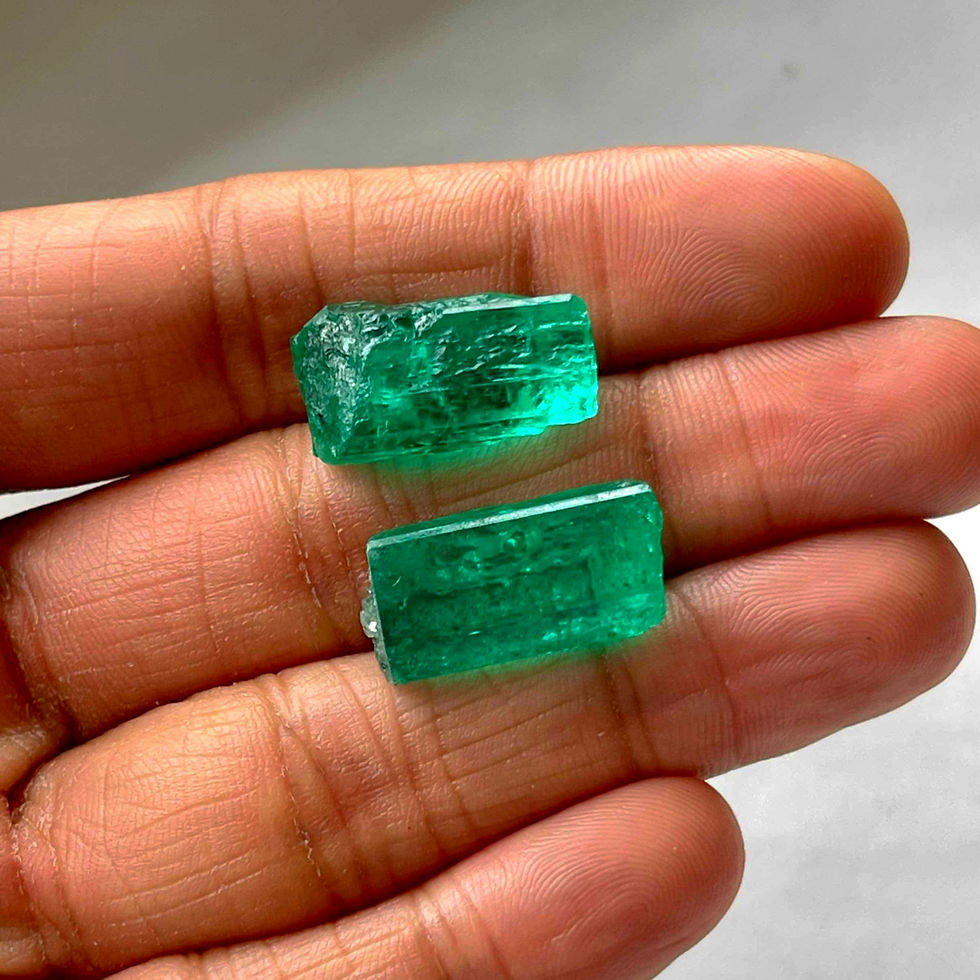
The Questions Smart Buyers Ask
A smart buyer usually asks questions that reveal both the gemstone and the person selling it.
Ethical sourcing is not a slogan; it is the quality of the questions a jeweler is willing to answer.
Useful questions often include:
What do you know about where this gemstone came from?
Have any treatments been disclosed?
How do you describe sourcing standards to clients?
If I need to review this stone later, what paperwork or context will I have?
These are not confrontational questions. They are the questions of someone who wants to buy well.
Question To Ask | Why It Matters | What A Good Answer Sounds Like | Question To Ask |
What do you know about the gemstone’s source? | Origin and supply context shape trust | A clear explanation of what is known, what is likely, and what is not being overstated | What do you know about the gemstone’s source? |
What documentation is available? | Paperwork helps anchor claims | A calm explanation of reports, invoices, provenance notes, or other supporting records | What documentation is available? |
Have any treatments been disclosed? | Transparency is part of ethical practice | A direct answer without evasiveness or minimization | Have any treatments been disclosed? |
How do you describe your sourcing standards? | This shows whether ethics is a process or just a label | A consistent, thoughtful explanation rather than a vague marketing phrase | How do you describe your sourcing standards? |
What should I understand if I value or resell this later? | Future clarity matters | An honest explanation that documentation, market context, and buyer expectations all matter | What should I understand if I value or resell this later? |
What Documentation And Transparency Can — And Cannot — Do
Documentation can help clarify what a gemstone is, what may have been done to it, and what is being represented at the time of sale. That is valuable. It creates a cleaner record and usually leads to better decisions.
But documentation is not the same as a complete moral certificate. Ethical gemstone sourcing often involves a chain of people, places, and decisions, and the level of traceability can vary by stone and by supply route.
That is why honest language matters so much. A trustworthy seller usually separates confirmed facts from informed belief, and documentation from storytelling.
What These Questions Reveal About The Seller
The answers matter, but so does the manner in which they are given.
A seller who responds calmly, specifically, and without defensiveness usually inspires more confidence than one who leans on broad assurances. In fine jewelry, trust is built not only through beauty, but through precision of language and consistency over time.
That is one reason heritage still matters. Readers who want a deeper sense of Caram’s background can explore Caram’s heritage, where trust is framed as something earned over generations rather than asserted in a moment.

How Ethical Sourcing Fits Different Buying Contexts
The importance of ethical gemstone sourcing changes slightly depending on why you are buying.
For an engagement ring, the priority is often peace of mind and confidence in the story behind the stone. For collectors, it is usually a question of traceability, documentation, and long-term coherence. For inherited or family jewelry, the first need is often understanding what is already there before making any further decision.
This is also why a broad category view can be helpful before focusing on one stone. Caram’s gemstone category offers a wider lens on the world of fine colored stones and how different priorities shape different choices.
A Smart Buyer Checklist Before Committing 📋
|
A beautiful stone can still deserve careful questions. In fact, the more meaningful the purchase, the more appropriate those questions become.
When Guidance Matters
If you are comparing important stones, trying to understand the language around sourcing, or reviewing a family piece with incomplete paperwork, a more thoughtful conversation can be helpful.
A consultation is often the right next step when the goal is clarity rather than speed. The purpose is not simply to “approve” a gemstone, but to help you understand what questions matter, which answers are meaningful, and how to think about the decision with more confidence.
FAQs
What does ethical gemstone sourcing actually mean?
Ethical gemstone sourcing usually means asking how a gemstone was obtained, documented, and represented. It is less about a single perfect label and more about transparency, disclosure, and responsible communication. In practice, the strongest sourcing claims are the ones that can be explained clearly.
Does ethical sourcing guarantee that every part of the supply chain is fully traceable?
No, not always. Traceability can vary depending on the gemstone, the supply route, and the records available. That is why careful language matters: a thoughtful seller should explain what is known, what is supported, and where certainty has limits.
Is a lab report the same thing as ethical sourcing?
No, a lab report is not the same thing as ethical sourcing. A report can help confirm aspects of identity, treatment, or sometimes origin, but it does not replace broader questions about sourcing context and transparency. It is one piece of the picture, not the whole picture.
Should I ask where a gemstone came from even if I love the stone already?
Yes, absolutely. Loving the stone and asking careful questions are not in conflict. In fine jewelry, emotional connection and thoughtful due diligence often belong together.
What if a seller cannot answer my sourcing questions clearly?
That is worth taking seriously. A vague answer does not always mean something is wrong, but it does mean you may not have the clarity needed for a confident decision. In high-consideration purchases, uncertainty should usually be named rather than glossed over.
Does ethical gemstone sourcing affect value?
It can influence buyer confidence and long-term comfort, but it does not replace the core qualities of the gemstone itself. Beauty, rarity, craftsmanship, and documentation still matter. Ethical sourcing is best understood as part of the decision framework, not the only driver.
Does ethical sourcing matter for inherited jewelry too?
Yes, it can. With inherited jewelry, the question is often less about what should have happened in the past and more about what can be understood now. Clear documentation and careful review can help owners make more informed decisions going forward.
About The Author
Rahul Jain writes about fine gemstones, valuation context, and the questions that help owners and buyers make thoughtful decisions. Read more at Rahul Jain at Caram.
Key Takeaways
Ethical gemstone sourcing is usually about transparency, disclosure, and documentation, not just a label.
Smart buyers ask specific questions that reveal both the stone and the seller.
Documentation helps, but it does not automatically answer every sourcing question.
The right sourcing conversation depends partly on why you are buying: engagement, collecting, inheritance, or long-term ownership.
In fine jewelry, clarity of language is often one of the clearest signs of trust.
Ready To Take The Next Step?
If you are evaluating a gemstone purchase, reviewing a family piece, or simply want clearer guidance on sourcing, documentation, and long-term confidence, Caram offers private consultation rooted in connoisseurship, discretion, and trust.
Explore Consultation if you would like a more personal conversation, or visit Ethical Sourcing to understand how we think about transparency and responsibility in fine gemstones.
For collectors, owners, inheritors, and thoughtful buyers alike, clarity is often the beginning of confidence.


Comments